Public education for modern infrastructure

Data centers power the digital world. Let's explain them clearly.

DC Myths is a public resource built to explain what data centers are, how they work, what they use, and what communities should actually understand before making decisions.

Start with the Guide Explore the Myths Water Use Power Impact
Power Grid planning, rates, substations, and reliability.
Water Cooling design, source, reuse, and annual use.
AI GPU density, liquid cooling, and high-load clusters.
Cities Zoning, taxes, jobs, noise, and public safeguards.

One source, different questions

Data centers affect different groups in different ways. Start with the question that matches your role.

Residents

What should I ask before forming an opinion?

Understand the specific project type, water source, power plan, noise controls, and local benefits.

Cities

What should local government require?

Use measurable standards for utility coordination, cooling disclosure, site design, and public safeguards.

Schools

How can students learn from this?

Teach internet infrastructure, energy, cooling, AI, cybersecurity, careers, and responsible technology use.

Projects

What kind of facility is being proposed?

Compare enterprise, colocation, hyperscale, edge, and AI/HPC data centers before comparing impacts.

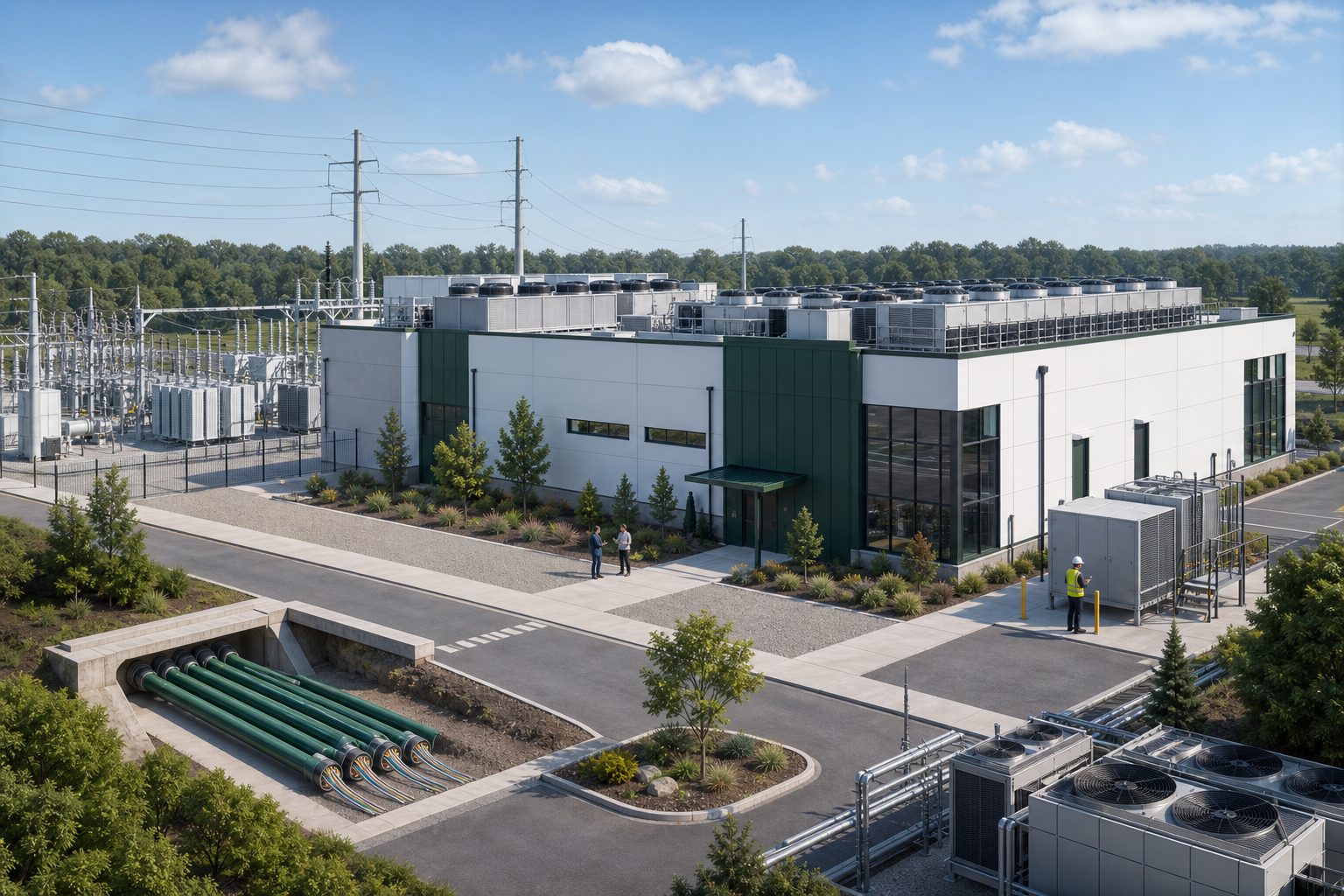
Educational illustration of a modern data center campus Downloadable

Use visuals in meetings, classrooms, and handouts

Download plain-language images for explaining data centers, cooling, power, and community review.

View Visuals
Shareable Guide

Send one link before the next conversation

The guide gives residents, schools, cities, and project teams a common starting point for fact-based discussion.

Open Guide

Start with the big questions

These are the topics most people, schools, and municipalities ask about first.

Water

Do data centers waste water?

Learn the difference between closed-loop, open-loop, evaporative, and air-cooled systems.

Power

Do data centers raise electric bills?

Understand power demand, grid investment, utility rates, and how large users are billed.

AI

What makes AI data centers different?

AI facilities use denser equipment, different cooling designs, and much larger compute clusters.

Built for three audiences

General Public

Simple explanations without technical jargon, focused on common questions and misconceptions.

Schools

Future curriculum-ready content explaining the internet, cloud computing, AI, energy, and infrastructure.

Municipalities

Future planning tools, ordinance examples, and policy guidance for responsible local decision-making.